A spiral from the Middle Jurassic
This beautifully ribbed ammonite is provisionally identified as Macrocephalites sp., a member of the Macrocephalitidae. Its coiled form, dense radial ribs and substantial shell are characteristic of this Middle Jurassic group.
Around 165 million years old
The specimen most likely dates from the Callovian Stage of the Middle Jurassic, approximately 165 million years ago. Ammonites evolved rapidly, making their shells valuable markers for dating Jurassic marine rocks. Closely related Macrocephalites specimens are recorded from the Bathonian–Callovian interval by the British Geological Survey.
Where was it found?
The exact collecting locality of this specimen is not recorded. Related Macrocephalites fossils are known from marine Jurassic rocks across Europe, India and other former Tethyan sea regions. Because its provenance is unknown, no specific country of origin is being claimed.
How rare is it?
Macrocephalites was a widespread genus, so it would be misleading to describe this as a scientifically rare species. However, every fossil is individually unique, with its own pattern of ribs, mineral staining, weathering and preservation. This specimen is a small, tangible archive of Jurassic time.
Details
- Approx. dimensions: 6 × 5 × 2 cm
- Weight: 81 g
- Identification: probable Macrocephalites sp.
- Age: Middle Jurassic, probable Callovian
- Provenance: unknown
- Condition: natural weathering, mineral staining and damage/loss around the outer edge/apertural area
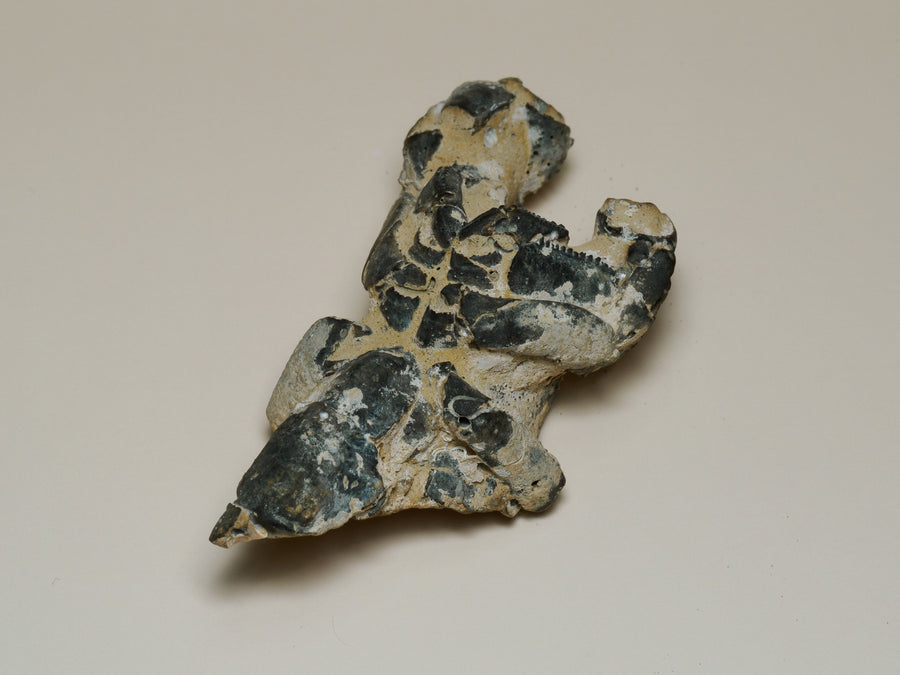
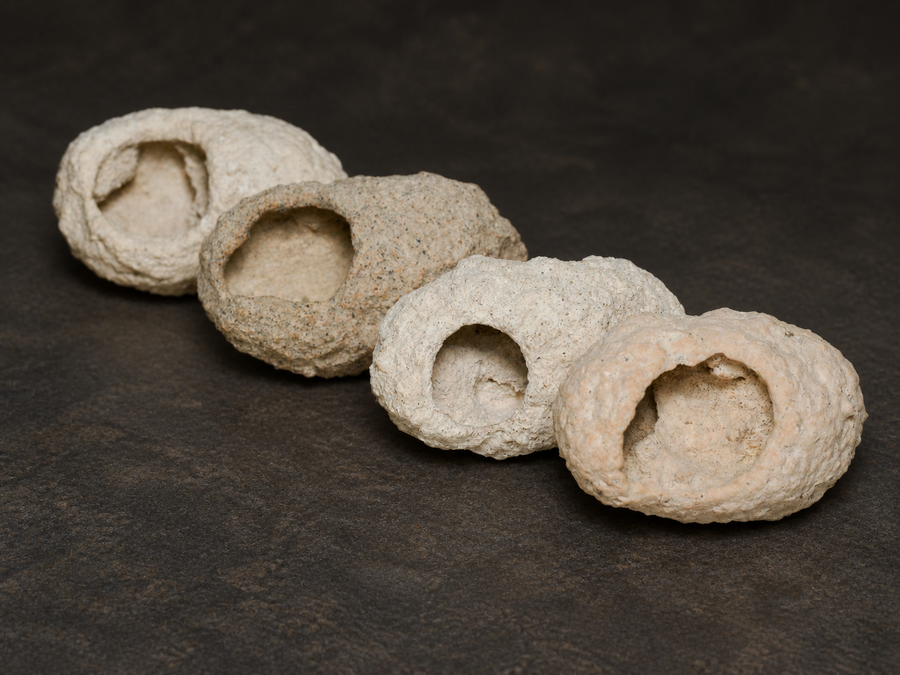
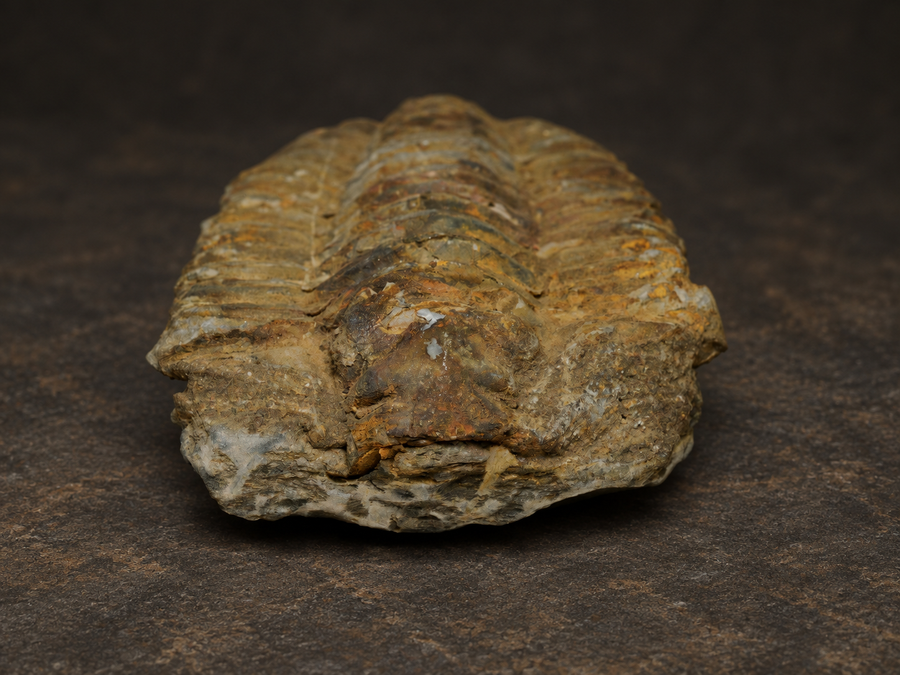
- The photographs show the exact specimen
Exact ammonite identification depends heavily on locality, shell proportions and ornament, so the genus-level wording is intentionally cautious.